
Digitalization of Biodiversity Data in Oil and Gas Concession
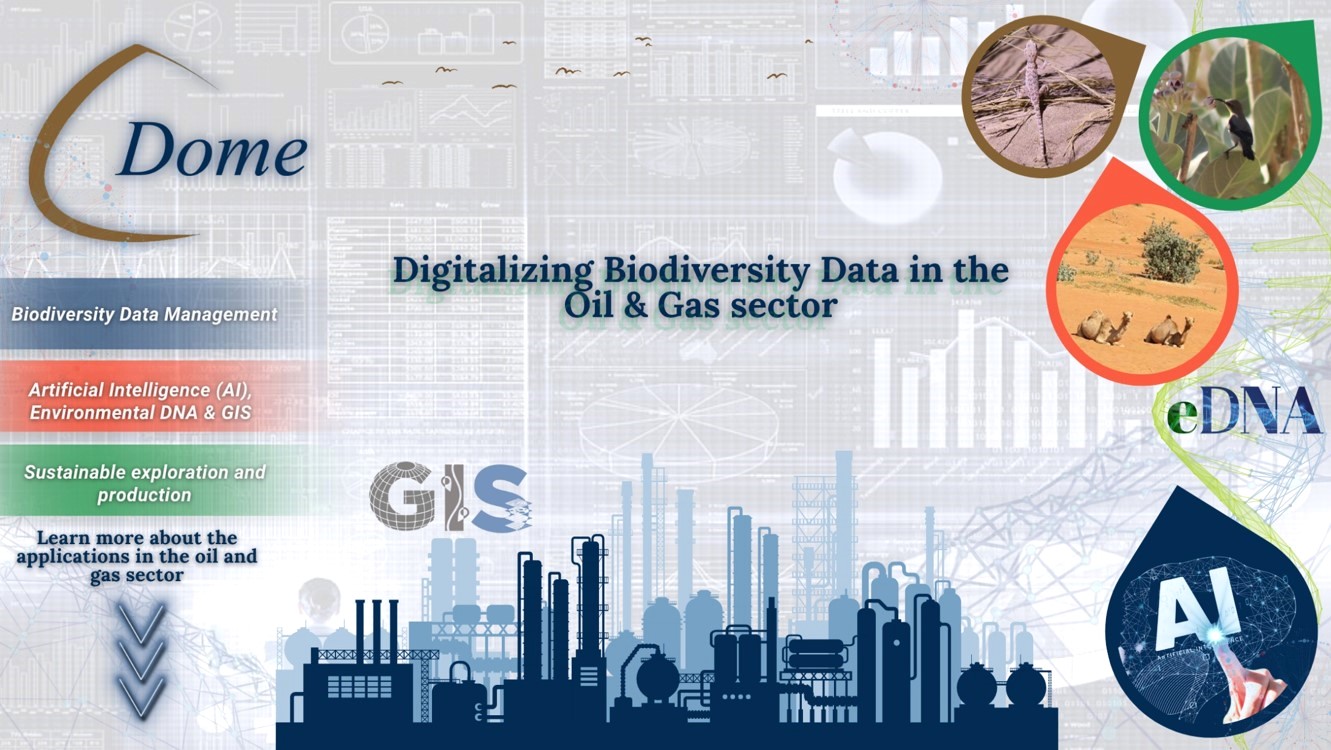
The digitalization of biodiversity data in oil and gas fields involves using advanced technologies to collect, manage, and analyze ecological information to minimize environmental impacts and enhance operational efficiency. This process integrates tools like environmental DNA (eDNA) analysis, big data analytics, artificial intelligence (AI), and geographic information systems (GIS) to monitor and manage biodiversity in areas affected by oil and gas operations.
Key Aspects of Digitalization of Biodiversity Data
These technologies help predict environmental impacts, optimize resource use, and support decision-making to reduce ecological footprints.
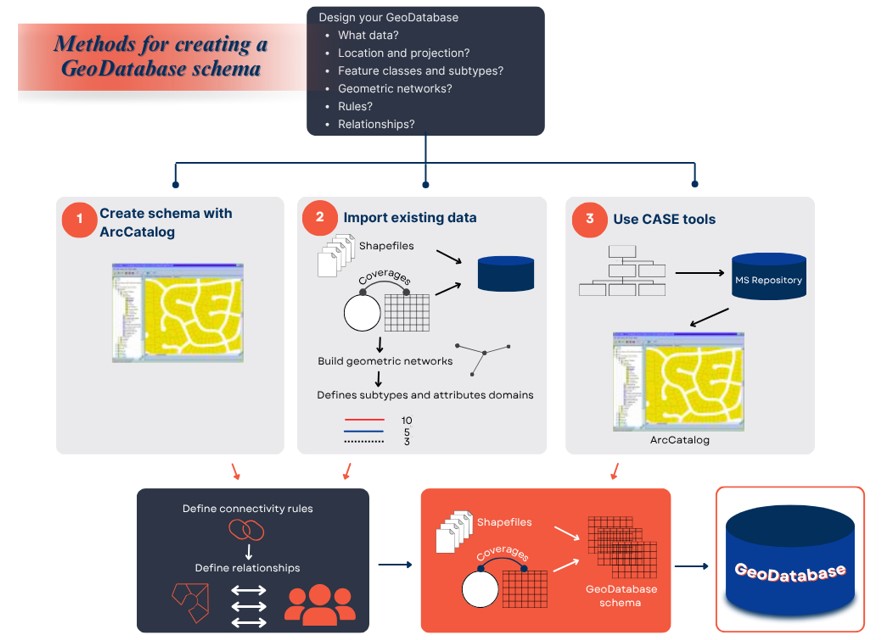
Effective digitalization requires adherence to FAIR (Findable, Accessible, Interoperable, Reusable) data principles to ensure biodiversity data is standardized and shareable according to ESRI. The Geodatabase is designed for data collection, curation, and integration into repositories like the Global Biodiversity Information Facility (GBIF) thereby enhance accessibility for researchers, regulators and policymakers.
Applications in Oil and Gas:
-
* Environmental Impact Assessments: Digital biodiversity data (Geodatabase) supports baseline studies and ongoing monitoring to comply with regulations and stakeholder expectations, reducing project delays and costs. Dome Group has successfully digitalised major Oil & gas sites along with baseline studies & monitoring operations.
-
* Predictive Maintenance and Safety: AI-driven analytics predict equipment failures that could harm ecosystems, enabling condition-based maintenance.
- * Sustainability and Emissions Management: Digital tools monitor carbon emissions and optimize operations to minimize environmental impact, aligning with net-zero goals.
- * Stakeholder Collaboration: Integrated data platforms facilitate data sharing among industry, regulators, and conservationists, fostering innovative solutions.
Digitalization of biodiversity data is becoming a necessity for the oil and gas industry, driven by regulatory pressures and the need for sustainability. The World Economic Forum estimates that digital transformation could unlock $1.6 trillion in value for the industry and society by 2030. Continued investment in technologies like AI, IoT, and eDNA, alongside collaboration with research institutions and regulators, will be critical to scaling these solutions.
Dome Group has vast experience in digitalizing biodiversity data in the Oil & Gas industry. Dome has successfully completed projects to develop geodatabases, run analyses, and advise customers on future trends in biodiversity data. Please contact [email protected], if you need any assistance.
#GCC #Sustainability #OilAndGas #Digitalization #Biodiversity #AI #GIS #Innovation #EnvironmentalManagement #DomeGroup